
You can find qualified WordPress website developers in 2026 through vetted platforms like Codeable (which accepts only 2.65% of applicants), agency directories such as Clutch and DesignRush, or by partnering directly with established WordPress website development companies like Flexi IT that specialise in custom solutions. The key is understanding that 2026's WordPress landscape demands developers with AI integration skills, block-first development expertise, and performance optimisation knowledge - not just basic theme installation abilities.
In this guide, we'll cover:
- The best platforms and directories for sourcing WordPress developers
- What skills to look for in 2026 (hint: AI proficiency matters now)
- Realistic pricing across Europe - from Eastern European rates to Western premiums
- Red flags that signal an unqualified developer
- How to evaluate portfolios and verify credentials
Why Finding the Right WordPress Developer Matters More in 2026
WordPress powers 43.4% of all websites globally and holds 61.3% of the CMS market share. That dominance means there's no shortage of people calling themselves "WordPress developers." The problem? Quality varies wildly.
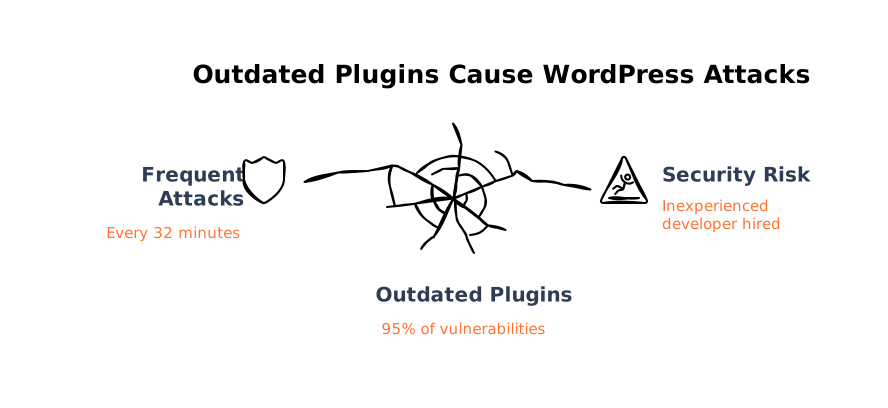
2025-2026 Data Point: The average WordPress site faces attacks every 32 minutes, with outdated plugins responsible for 95% of security vulnerabilities. Hiring an inexperienced developer isn't just inefficient - it's a security risk.
The WordPress ecosystem has shifted dramatically. Block-first development using Full Site Editing (FSE) is now the professional standard. AI-assisted workflows have become mainstream, with 77% of developers using AI coding tools and completing tasks up to 60% faster. If your developer isn't familiar with these approaches, you're hiring yesterday's skillset for tomorrow's project.
Where Can You Find Qualified WordPress Website Developers?
Vetted Freelance Platforms
These platforms do the heavy lifting of screening candidates before you ever see them:
Codeable operates exclusively within the WordPress ecosystem. Their multi-stage vetting process accepts just 2.65% of applicants, including technical examinations, live interviews, and a mandatory 90-day supervised trial period. Rates typically fall between €74 and €111 per hour, with project guarantees and a 28-day bug-fix warranty included.
Toptal accepts approximately 3% of applicants through a five-stage screening process. Expect rates between €92 and €230 per hour. The platform works well for complex projects, though their pricing model lacks transparency regarding actual developer compensation versus platform markup.
Lemon.io accepts only 1% of applicants and can match you with developers within 48 hours. They offer up to 20 prepaid risk-free hours for project evaluation - useful if you're uncertain about long-term fit.
Agency Directories
When you need a full team rather than an individual freelancer, directories help you compare WordPress website services providers:
| Directory | WordPress Companies Listed | Key Features |
|---|---|---|
| Clutch | 261+ | Verified reviews, Bayesian ranking, monthly updates |
| DesignRush | 715+ | LinkedIn-verified reviews, budget filtering |
| GoodFirms | 31,000+ (all development) | Transparent review collection, portfolio quality scoring |
These directories verify business registration, legal history, and client testimonials. They're particularly useful for finding custom WordPress development agencies with proven track records in your specific industry.
WordPress-Specific Networks
The WordPress VIP Partner Network represents the highest tier of certified agencies - limited to firms meeting stringent technical and security standards. Partners include enterprise-focused agencies like Human Made and rtCamp. If you're building a high-traffic site handling sensitive data, this network is worth exploring.
The official WordPress.org Jobs Board attracts developers deeply engaged with the WordPress community, including core contributors. Vetting responsibility falls entirely on you, but you'll find candidates with genuine platform expertise.
What Skills Should WordPress Developers Have in 2026?

The skill requirements have evolved significantly. Here's what separates competent developers from outdated ones:
Essential Technical Skills
- Block-first development: Proficiency with Gutenberg, Full Site Editing, and theme.json configuration
- AI integration awareness: Understanding of AI-assisted workflows and the 1,400+ AI plugins now available
- Performance optimisation: Core Web Vitals expertise (a 1-second delay reduces conversions by up to 20%)
- Security hardening: Knowledge of vulnerability mitigation, especially for plugins
- REST API and headless architecture: Headless WordPress adoption is growing 22% annually
Questions to Ask Candidates
- How would you approach custom block development versus using a page builder?
- Explain WordPress hooks (actions and filters) with practical examples.
- What security measures would you implement beyond standard plugins?
- How do you optimise for Core Web Vitals on content-heavy sites?
Developers who struggle with these questions likely lack the depth needed for anything beyond basic theme customisation.
How Much Do WordPress Developers Cost in Europe?
Pricing varies dramatically by region. Here's what to expect for custom WordPress website projects in 2025-2026:
Hourly Rates by Region
| Region | Junior (0-2 years) | Mid-Level (2-5 years) | Senior (5+ years) |
|---|---|---|---|
| Western Europe (UK, Germany) | €30-€50 | €60-€100 | €100-€200+ |
| Eastern Europe (Poland, Ukraine) | €20-€35 | €40-€70 | €70-€120 |
| Scandinavia | €40-€60 | €70-€120 | €120-€200+ |
Project-Based Pricing
| Project Type | Typical European Range |
|---|---|
| Small business site (5-15 pages) | €1,000-€5,000 |
| Medium complexity (15-30 pages, integrations) | €5,000-€15,000 |
| WooCommerce e-commerce | €5,000-€30,000 |
| Custom plugin development | €800-€10,000+ |
Budget Reality Check: If someone quotes €500 for a "custom WordPress website," they're either using a template with minimal changes or significantly underestimating the work involved. Neither scenario ends well.
What Red Flags Should You Watch For?
After years of building WordPress for business clients across Europe, we at Flexi IT have seen the aftermath of poor hiring decisions. Watch for these warning signs:
- No questions about your business goals: Developers who accept specifications without asking about strategy are building features, not solutions.
- Vague portfolio entries: "Helped build a website" tells you nothing. Look for specific contributions and measurable outcomes.
- Reliance on heavy page builders: While tools like Elementor have their place, developers who can't work without them lack fundamental WordPress knowledge.
- No mention of security or performance: These aren't optional extras - they're baseline requirements.
- Unusually low rates: Eastern European developers offer genuine value, but rates below €20/hour typically indicate inexperience or corner-cutting.
How Should You Evaluate Developer Portfolios?
Don't just look at pretty screenshots. Examine:
- Site performance: Run portfolio sites through Google PageSpeed Insights. If their showcase work scores poorly, imagine what they'll deliver under deadline pressure.
- Mobile responsiveness: Test on actual devices, not just browser resize.
- Code quality: Request access to a code sample. Clean, commented code suggests professional standards.
- Client diversity: Experience across multiple industries indicates adaptability.
Contact references directly. Ask specifically: Did the project stay on budget? How did they handle unexpected issues? Would you hire them again?
Key Terms
Full Site Editing (FSE)
WordPress's block-based approach to editing entire site templates, including headers and footers, not just page content.
Headless WordPress
Architecture where WordPress serves as a content backend via APIs, with a separate frontend framework handling the user-facing display.
Core Web Vitals
Google's metrics measuring page loading performance, interactivity, and visual stability - critical for SEO rankings.
Block-first development
Building WordPress sites using Gutenberg blocks as the primary content and layout system rather than traditional PHP templates or page builders.
Summary: Finding WordPress Developers in 2026
- Use vetted platforms like Codeable (2.65% acceptance) or Toptal (3% acceptance) to reduce screening burden
- Check directories such as Clutch, DesignRush, and GoodFirms for verified agency reviews
- Prioritise 2026 skills: Block-first development, AI integration awareness, security expertise, and Core Web Vitals optimisation
- Budget realistically: European rates range from €20-€200+/hour depending on region and experience; custom sites typically cost €5,000-€30,000
- Verify thoroughly: Test portfolio site performance, contact references, and ask technical questions about hooks, security, and architecture
- Avoid red flags: Developers who don't ask about business goals or rely entirely on page builders lack strategic depth
Ready to Build Your WordPress Project?
Finding the right WordPress website developers takes effort, but the investment pays off in security, performance, and a site that actually serves your business goals. Whether you need a straightforward business site or complex custom WordPress development, the principles remain the same: verify credentials, assess 2026-relevant skills, and choose partners who understand your objectives.
At Flexi IT, we specialise in WordPress website services for European businesses - from custom theme development to WooCommerce implementations and AI integrations. Once your site is live, our WordPress maintenance services keep WordPress and plugins updated, with 10, 20 or 40 development hours a month for changes. If you'd prefer to skip the vetting process and work with an experienced team directly, get in touch to discuss your project.


